News

News

Why Contractors Use Dual Welder Generators

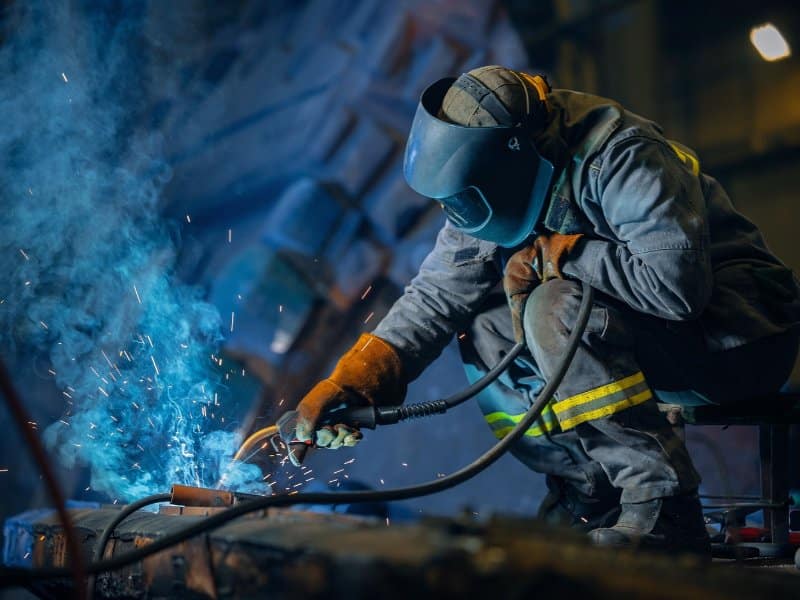
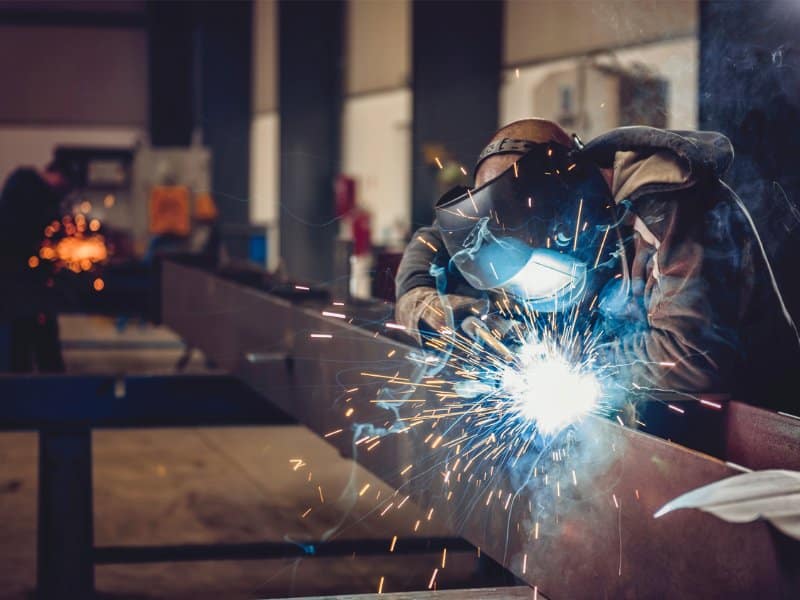
Welder in a protective helmet and gloves welding a steel beam in an industrial workshop as sparks fly

A dual industrial welder generator solves a problem standard welding equipment can’t: two welders working from one machine, with no reliance on mains power. That combination of dual-operator output and self-contained power is why contractors on rail corridors, pipelines, and shutdown projects reach for them over a standard single-operator welder.

Here’s why these machines suit these three site types, then browse our dual welder generator hire range to find the right amperage for the job.

Why Dual-Operator Power Matters On Site

Running two welders from one machine changes the maths on site: half the engines, half the fuel tanks, and half the footprint of two separate welders, without cutting the number of people actually laying beads.

On projects with tight programs and limited laydown space, a saving in equipment and space is often what keeps a job on schedule. Because portable welder generators produce their own power, crews also aren’t waiting on a site connection, which matters most on the three project types below.

Where Dual Welding Generators Make the Biggest Difference

Rail Corridor Maintenance and Repairs

Access is often the first constraint on a rail corridor job: maintenance and possession windows are tight, and the ground can be remote enough that a mains connection simply isn’t there.

Dual welder generators support the structural steel, fencing, signal infrastructure, and plant repair welding that keeps a rail corridor project moving, without a crew waiting on power that doesn’t exist trackside. The dual-operator setup also suits short possession windows, letting two welders complete repair or fabrication work in the same access period instead of splitting it across two shifts.
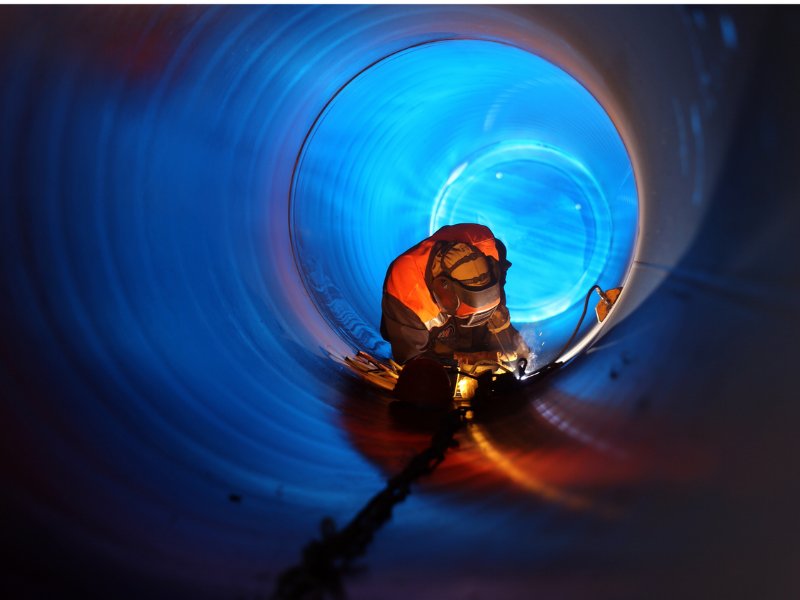
Worker in high-vis and a hard hat welding inside a large-diameter steel pipe, lit by the arc’s glow

Pipeline Welding Along Remote Corridors

Pipeline work presents a different challenge: the job itself moves. As a crew progresses along a gas, oil or water line stretching for kilometres through open or off-grid terrain, the welding equipment has to keep pace without a fixed power source to plug into.

A dual diesel welder generator travels with the crew and delivers the high-output welding power heavy-wall pipe and structural tie-in welds call for. Running two arcs from one machine also means a pipeline crew can keep two welding stations moving along the line at once, rather than doubling up on generators to do it.

Shutdown and Turnaround Projects

A shutdown or turnaround runs to one fixed deadline, and welding crews are often working around the clock inside that window to get structural repairs, fabrication, and maintenance welding done before the plant restarts. Sharing one mobile welder generator between two welders matters most here, when laydown space inside an operating plant is tight, and every extra machine on site adds to the congestion.

The 24/7 servicing behind an Onsite Rentals hire also counts for more during a shutdown, when a breakdown has a direct cost against the program.
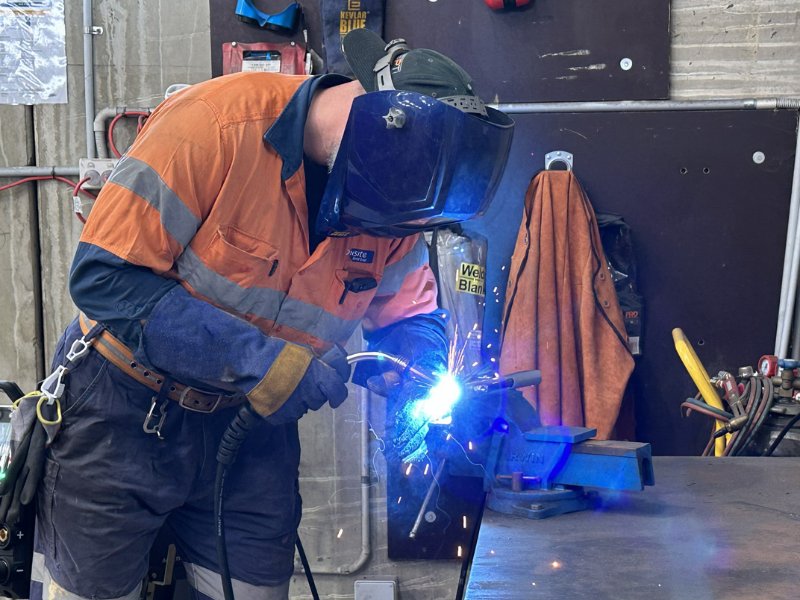
Tradesperson in hi-vis workwear and a welding helmet welding at a workbench in a workshop, with sparks flying

Matching the Right Welder Generator Combo to the Job

Onsite Rentals’ range of dual diesel welder generators runs from a 450 amp unit through to a 580 amp model, so the right machine depends on the work. Lighter fabrication, fencing, and structural repairs sit comfortably within the lower end of the range, while pipeline tie-in welds and heavy structural work on shutdowns can call for the extra output of the higher-amperage models.

Talk to your local branch about the amperage, auxiliary power, and portability your site needs.

Hire Dual Engine Driven Welders From Onsite Rentals

Onsite Rentals supports rail, pipeline, and shutdown crews across Australia with a national network of 35+ branches and 24/7 servicing, so a breakdown never has to become a program delay.

Whatever the site, our diesel engine driven welders are ready to support two welders working at once.

A dual welder generator is an engine-driven machine that powers two independent welding arcs from a single unit, letting two welders work at once without a second machine on site.

Two. A portable welder generator runs two independent welding arcs from one engine, so two welders can work at the same time without a second machine on site.
Loading posts…

Air Compressor and Welder Combo Equipment for Remote Sites

Welder air compressor combo on a remote mine site

On a remote Australian mine or a plant shutdown, every machine must be freighted in, fuelled, serviced and given room to park. That’s why many contractors choose a diesel welder air compressor combo: one unit that provides high-amp welding output and on-board compressed air, so a crew can weld, gouge and run air tools without bringing a separate compressor.

This guide covers where multi-function compressing and welding equipment for remote sites pays off, and when separate machines still make more sense. Onsite Rental Group’s dual welder compressor hire range is a good starting point.

Why Remote Projects Favour Multi-Function Equipment

Multi-function equipment suits remote work because it cuts the number of machines a crew has to move, fuel and maintain. When the nearest depot is hours away, each extra machine adds cost and another thing that can fail.

  • Less freight: One unit goes on the float instead of a welder and a compressor.
  • One engine to fuel: A single diesel engine and tank to keep topped up. Each unit in Onsite Rental Group’s range carries around 95 litres.
  • One service schedule: Fewer engines mean fewer service intervals to track on a long project.
  • Smaller footprint: Laydown areas on mine sites and inside operating plants are tight, so one machine in place of two frees up space.

Some models also supply auxiliary AC power for lighting or electric hand tools, which can save bringing in a small generator as well.

What Work Can a Welder Air Compressor Handle on a Mine Site?

A welder with air compressor covers most of the welding and air-powered prep work on a mine maintenance job from one machine. Typical tasks include:

  • Air carbon arc gouging: Cutting out cracked welds, defects and worn hardfacing before a component is rebuilt.
  • Multi-process welding: Stick, TIG and wire (MIG and flux-cored) welding for structural repairs and fabrication.
  • Needle scaling: Removing slag, rust and scale from steel before welding or coating.
  • Pneumatic tools: Running air grinders and impact wrenches during repair and fit-up.
  • Blow-down: Clearing dust and debris from components before inspection or welding.
Air carbon arc gouging with a welder compressor during mine maintenance

Welding and Compressed Air During a Shutdown

Shutdowns and turnarounds run to a fixed restart date, and welding is often on the critical path. Crews repair, back-gouge and re-weld around the clock, and much of that work needs air as well as an arc: gouging out a defect, scaling a joint, or running a grinder between passes.

With both coming from one machine, nobody waits for a separate compressor to be moved into position, and there’s one less unit competing for space beside an operating plant.

For bigger crews, the Miller Big Blue 800 supports dual-arc welding, so two operators can work from one machine with compressed air on board.

Planning Equipment for a Remote Project

Before booking equipment for a remote job, a few questions decide which unit fits the work:

  • Welding output: Plate thickness and welding process set the amperage needed. Onsite Rental Group’s welder compressors run from 500 to 800 amps.
  • Air demand: Add up the air use of every tool that will run at the same time, and compare it with the compressor’s rated output.
  • Number of operators: One welder at a time, or two working at once.
  • Fuel access: How often fuel can reach site, measured against tank size and the hours the machine will run each shift.
  • Duty cycle: Long gouging runs and continuous welding need a unit rated for sustained output.
  • Transport and lifting: Units in the range weigh roughly 785 to 850 kg, which affects the choice of truck, trailer and lifting gear.
  • Servicing support: Who responds if the machine stops, and how quickly they can get to site.
Welding and air compressor equipment set up on a remote site

When Separate Machines Make More Sense

A combined unit isn’t the right call for every site.

When air demand is heavy, such as several tools running continuously or large air-powered equipment, an on-board compressor can struggle to keep up. A standalone machine is the better fit there.

Where two welders need to work at the same time and compressed air isn’t part of the job, a dual welder generator does the work in a smaller footprint.

On larger projects the answer is often a mix: welder compressors at the repair points, with dedicated single air compressors wherever air demand peaks.

Hire Welder and Air Compressor Combo Equipment From Onsite Rental Group

Onsite Rental Group supplies mining, pipeline and shutdown crews across Australia through a network of 35+ branches, with a 24/7 servicing task force behind every hire.

Hire terms run from short shutdowns through to multi-month projects, so the equipment matches the length of the job.

Get welding power and compressed air wherever and whenever you need it.

Yes. These units run on their own diesel engine, so welding and compressed air don’t depend on a site power connection. On remote jobs, the main thing to plan is how often fuel can reach the machine.

It depends on the model. The AirVantage 600 and Big Blue 800 in Onsite Rental Group’s range carry a 60 CFM on-board compressor. Compare that figure with the combined air use of the tools that will run at the same time.

On some models. The Miller Big Blue 800 in Onsite Rental Group’s range supports dual-arc welding for two operators. Check with the local branch before planning two-operator work on other units.

Loading posts…

MIG vs TIG Welding: What’s the Difference?

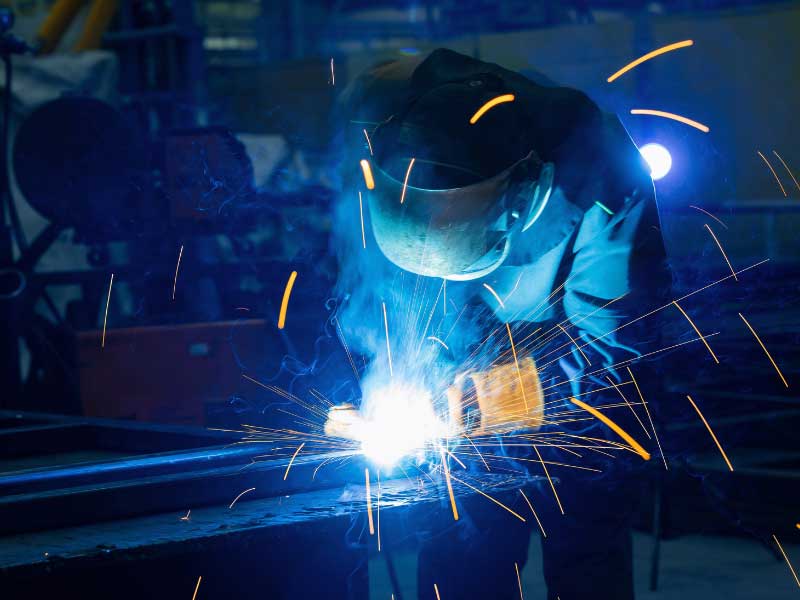
Welder in protective helmet and gloves MIG welding steel beams, with bright arc and orange sparks flying in an industrial workshop

TIG and MIG welding are the two processes contractors reach for most on Australian construction and mine sites. MIG runs a continuous wire feed for fast, high-volume joins on thicker steel, while TIG uses a non-consumable tungsten electrode for a slower, more controlled weld on stainless steel, aluminium and thinner materials.

Which process wins depends on the material, the joint and the finish the job demands. We compare TIG vs MIG welders below, then browse our welder hire options to find the right machine for the job.

What Is MIG Welding?

MIG welding feeds a continuous wire electrode through a handheld gun while a shielding gas protects the weld pool from contamination. It’s usually the first process contractors use, because it’s quick to learn and forgiving on thicker steel.

On a construction site, MIG suits structural steelwork, framework assembly and general fabrication, where speed and strength matter more than a mirror finish. A competent operator can run a long, continuous bead across a structural section with minimal stop-start, which keeps labour-intensive jobs on schedule.

What Is TIG Welding?

TIG welding, also known as GTAW (gas tungsten arc welding), uses a non-consumable tungsten electrode and a separate filler rod, giving the operator close control over heat input and weld pool. It produces a cleaner, more precise weld than MIG, with far less spatter.

That control comes at a cost. TIG is slower, and it demands a more experienced operator working the torch, filler rod and foot pedal together. It’s the process of choice for stainless steel, aluminium and thin-gauge material, and for welds that need a visible, certification-grade finish, such as pipework.

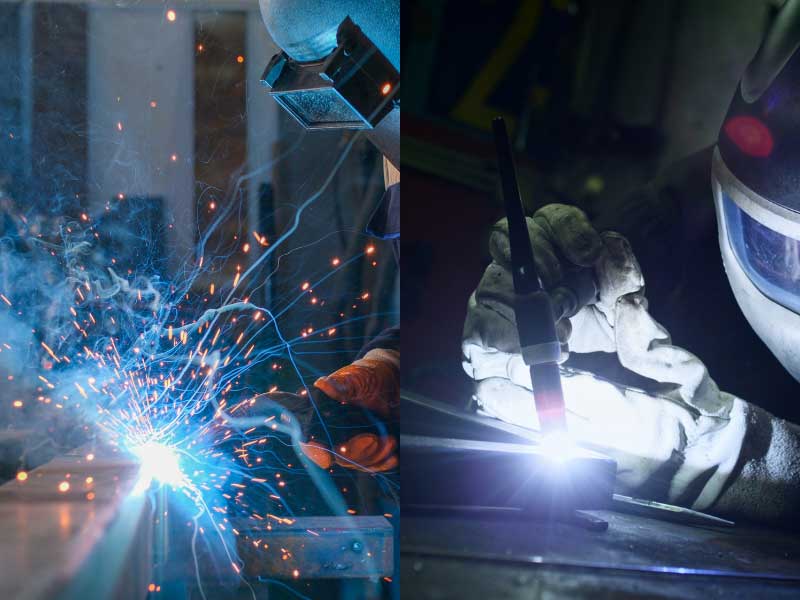
Split image comparing MIG welding with bright spark spray on the left, and close-up TIG welding with a filler rod and steady blue-white arc on the right

TIG vs MIG Welding: Quick Comparison

The table below sets out how MIG and TIG welding stack up against each other on the factors that matter most on a construction or mine site.

FactorMIG WeldingTIG Welding
SpeedFast, continuous wire feedSlower, more controlled
Skill levelQuick to learnRequires an experienced operator
Material thicknessThicker structural steelThin-gauge and precision work
Weld finishStrong, functional beadClean bead, minimal spatter
Best metalsMild and carbon steelStainless steel, aluminium, thin steel
Typical site useStructural framing, fabricationPipework, visible and critical welds

When Should Contractors Use MIG Welding?

Reach for MIG when the job calls for speed and volume. It’s the standard choice for structural steel framing, site fabrication, plant repairs, and any application joining mild or carbon steel quickly and reliably.

Because the wire feed runs continuously, MIG also handles longer welds without the stop-start of changing filler rods, which counts when a crew is working to a tight program.

When Should Contractors Use TIG Welding?

TIG earns its place on site when the finish, the material or the certification requirement rules MIG out. Stainless steel handrails, aluminium fabrication, thin-gauge sheet metal, and pipe welds that need to pass a visual or NDT (non-destructive testing) inspection all call for the tighter control TIG offers.

It’s not the process for high-volume structural work, but for welds that have to be right the first time, the extra time on the tools is worth it.

What About Stick and Flux-Cored Welding?

MIG and TIG welders cover most site welding, but they’re not the whole story.

Stick welding, also called MMA (manual metal arc), uses a flux-coated electrode and needs no shielding gas, which makes it reliable in wind, rain, and on rusty or painted steel where MIG and TIG would struggle.

Flux-Cored welding runs a tubular wire with its own internal flux, giving high deposition rates for heavy structural work outdoors, again without relying on a clean gas shield.

Some sites also need to cut, gouge or prepare edges before welding starts. A handful of multi-process welders extend that far, using a carbon electrode and compressed air to cut a clean groove through steel. The question isn’t which single process wins. It’s which combination a crew actually needs on the one machine.

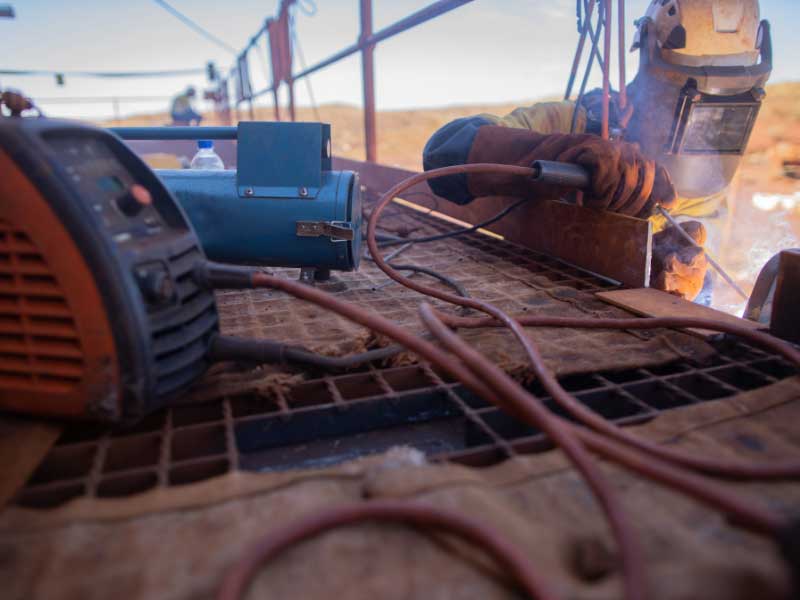
Portable diesel welder generator set up on an outdoor worksite, with a welder in full PPE arc welding a steel joint at sunset

Choosing the Right Multi-Process Welder for Your Site

Every welder in the Onsite Rentals fleet runs MIG and TIG as standard, so switching processes mid-job never means waiting on a second machine. Some models go further, adding Flux-Cored welding or gouging for crews that need the extra capability on hand.

WelderAmperageMIGTIGStickFlux-CoredGouging
Dual Welder 450amp Diesel450A, dual operatorYesYesYesYesYes
Dual Welder 480amp Diesel cc-cv480A, dual operatorYesYesYesYesYes
Welder 500amp Diesel Air Vantage500AYesYesYesYesYes
Welder 580amp Diesel Vantage580AYesYesYesYesYes
Welder 600amp Diesel Air Vantage600AYesYesYesYesYes
Welder 800amp Diesel Air Vantage800A, dual operatorYesYesYesYesYes

The Verdict: MIG Welding vs TIG Welding on Australian Construction Sites

There’s no single winner in TIG welding vs MIG welding. MIG carries the volume, running fast, strong welds across structural steel and general fabrication. TIG carries the precision, holding up on stainless, aluminium and any joint that needs a certification-grade finish. Stick and Flux-Cored fill the gaps TIG or MIG welding can’t, welding through rust, paint and bad weather without a shielding gas to protect.

That’s the case for hiring a multi-process welder rather than a single-process machine. A crew moving between structural framing, pipework and site repairs shouldn’t need three different welders parked on site to get through the program.

Here at Onsite Rentals, our entire welder fleet is capable of both MIG and TIG as a minimum. Some models can also do Stick welding, Flux-Cored welding, and gouging.

Browse our full range of dual welder compressor hire and dual welder generator hire options to find the right multi-process machine for your site.

The main difference between TIG and MIG welding is that TIG uses a non-consumable tungsten electrode and a separate filler rod for slower, more precise work, while MIG feeds a continuous wire electrode for fast, high-volume welding.

MIG is faster. Its continuous wire feed lets an operator run long, uninterrupted welds, which is why it’s the default for structural steelwork and high-volume fabrication where speed matters more than a refined finish.

For structural framing, usually not. But for stainless steel, aluminium or any weld that has to pass a visual or NDT inspection, TIG’s precision is worth the slower pace, which is why every Onsite Rentals welder runs TIG as standard alongside MIG.

Loading posts…

Mobile Toilets or Amenities Blocks? A Project Manager’s Guide

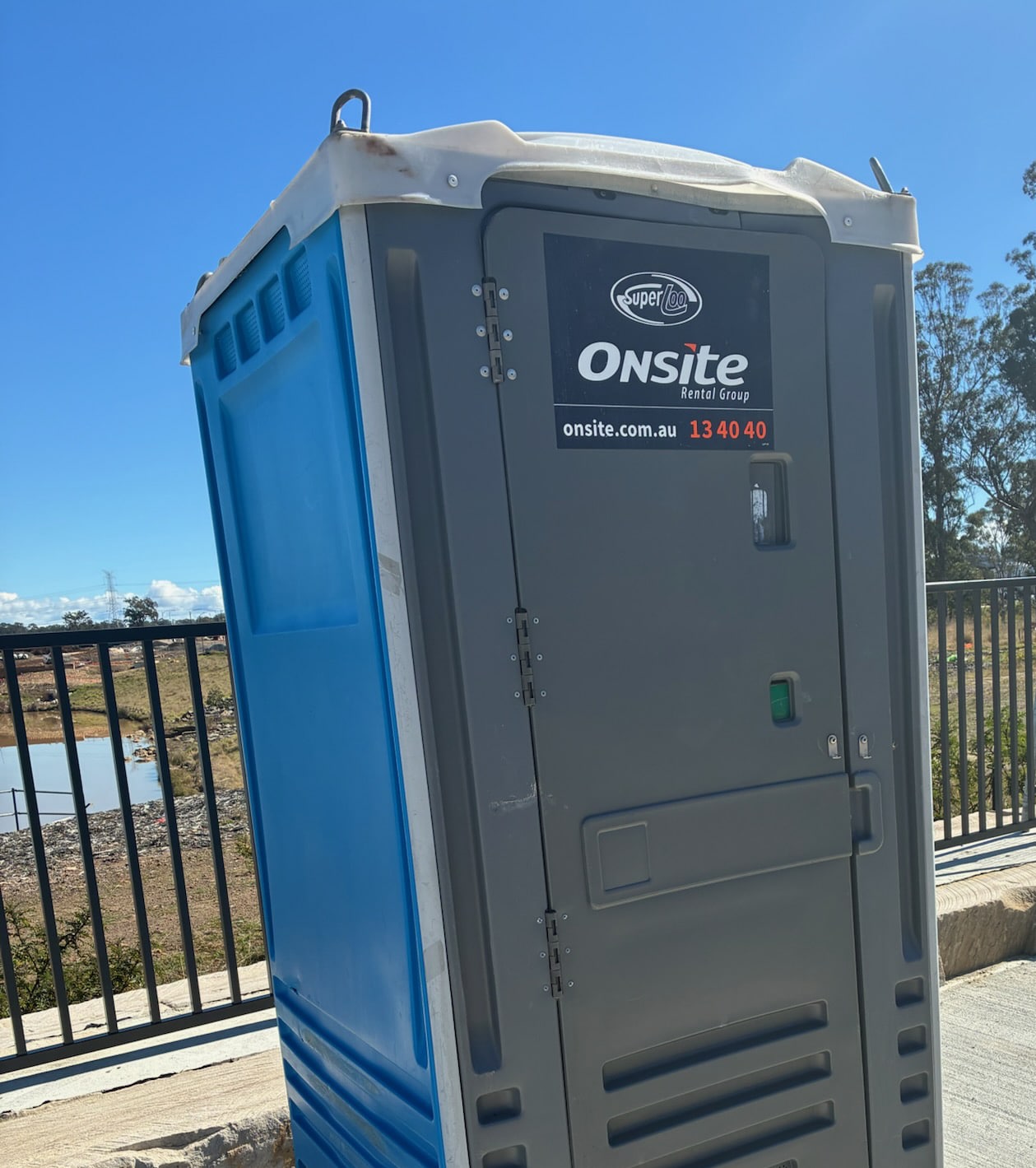
A portable toilet on a construction site

As your construction site evolves, moving facilities can become a real headache. Crane trucks, narrow laneways, and powerline restrictions can make relocating restroom facilities expensive and time-consuming.

For Australian project managers, choosing the right units is essential to keep sites safe, productive, and compliant. Portable toilet hire options, with their mobility, quick setup, and flexibility, often offer the most practical solution, while amenities blocks (also known as ablution blocks) are best suited to large, event-style projects.

In this guide, we’ll compare portable loos to ablution blocks, explore their key benefits, and tell you how to plan site logistics efficiently.

What’s the Difference Between Amenities Units and Regular Portable Toilets?

Portable Toilets:

  • Lightweight, self-contained cubicles (on and off trailers)
  • Easy to place exactly where you need them
  • Quick setup—no crane required
  • Ideal for multi-phase projects, renovations, or confined sites
  • Can be relocated quickly

Amenities Units:

  • Large prefabricated units
  • Built-in water and waste systems
  • Often provide higher comfort levels (a flush toilet, hand basins, extra features)
  • Require a crane or tow vehicle for relocation
  • Best suited for large events, outdoor events or long-term setups

Key takeaway: While an amenities unit has its place, a portable is often the more flexible, cost-effective solution for day-to-day construction needs.

Why Mobile Toilets Work Best on Construction Sites

Adapting to Changing Work Zones

Construction projects rarely stay static. With mobile toilet hire, you can relocate quickly as work zones shift, avoiding downtime and keeping workers close to amenities. Ablution blocks, by contrast, need trucks, cranes or tow vehicles and planning in advance.

Navigating Access Challenges

A single or dual-cubicle portable loo is low-profile and easy to position under powerlines or in areas with height restrictions. It will fit into narrow or confined spaces, including laneways, making it ideal for inner-city construction zones. Site amenities, however, require careful planning, flat ground, and a lot of clearance.

Efficiency Across Multiple Sites

For contractors managing multiple jobs and locations, portables are easy to move from site to site, reducing downtime, minimising servicing costs, and improving ROI. Toilet and amenities blocks are better for large, single-site deployments, but are less practical across many projects.

Practical Applications for Portable Site Toilets in Australia

  • Residential Construction & Renovations: Limited street access, phased bathroom renovations, or shifting interior work zones.
  • Commercial Staged Developments: Multi-tower projects or shopping centre expansions.
  • Infrastructure & Civil Works: Roadworks, pipelines, and other linear projects needing quick relocation.
  • Regional & Remote Sites: Farms, mining camps, and areas where amenities that need to be trucked in with cranes are expensive or impractical.

Delivery and Setup Comparison for Building Sites

On-Site Portable ToiletsOn-Site Amenities
Delivery methodStandard vehicle / self-placementCrane or tow required
PositioningRelocatable anytimeFixed once placed
Access requirementsAny standard vehicle4m+ width, powerline clearance
Relocation costMinimalHigh (crane required)
Setup timeMinutes15–30 minutes
A mobile toilet cubicle being driven to site on a car trailer

Site Toilet Hire Compliance & Productivity

Meeting Australian WHS Standards

Portable construction site toilets meet SafeWork Australia ratios (1 per 15 males, 1 per 10 females for >10 workers) and OHS compliance.

Boosting Productivity & Morale

Workers stay productive when a mobile toilet trailer is close to their work areas. Clean, well-positioned job site portable toilets reduce downtime and maintain site satisfaction.

How to Choose the Right Portable Toilet Rental for Your Project

Questions to Ask:

  • Will my site layout change?
  • Are there powerlines or height restrictions?
  • Is street or site access narrow (<4m)?
  • Will toilets need to move during multi-phase projects?
  • Am I managing multiple sites simultaneously?

Pick Onsite Rentals for Portable Loo Hire Services

For Australian construction sites, portable toilets offer unmatched flexibility, efficiency, and cost-effectiveness compared with site amenities and ablution blocks. They adapt to shifting work zones, fit into tight spaces, and keep workers productive and satisfied.

With 30+ years of experience and 35+ branches nationwide, Onsite Rentals is ready to help you deploy the right sanitation service for your project.

Ready to plan your site toilets?Speak with our site accommodation specialiststoday about the best SuperLoo solution for your project.

FAQs

Yes, you can move the toilets around your worksite, but it’s best to have professionals do it due to the risk of spillage or potential health hazard.

For staged construction projects, trailer-mounted portable toilets are ideal for their flexibility and the fact they can be set up in hard-to-reach areas.

To relocate a mobile toilet rental during construction, it’s best to hire a professional service that uses specialised equipment for safe transport. Before moving it, ensure the tank contains less than 20L of liquid to prevent spillage. For a temporary relocation on a large site, some units can be moved by cranes.

With basic preparation, relocation takes just minutes. Fold the stabiliser legs, hitch to your vehicle, and tow to the new location. No specialist equipment required.

Yes, we offer full delivery and collection services. We can also provide weekly or fortnightly cleaning and maintenance for a service charge.

Loading posts…

10 Questions to Ask About Equipment for Rent

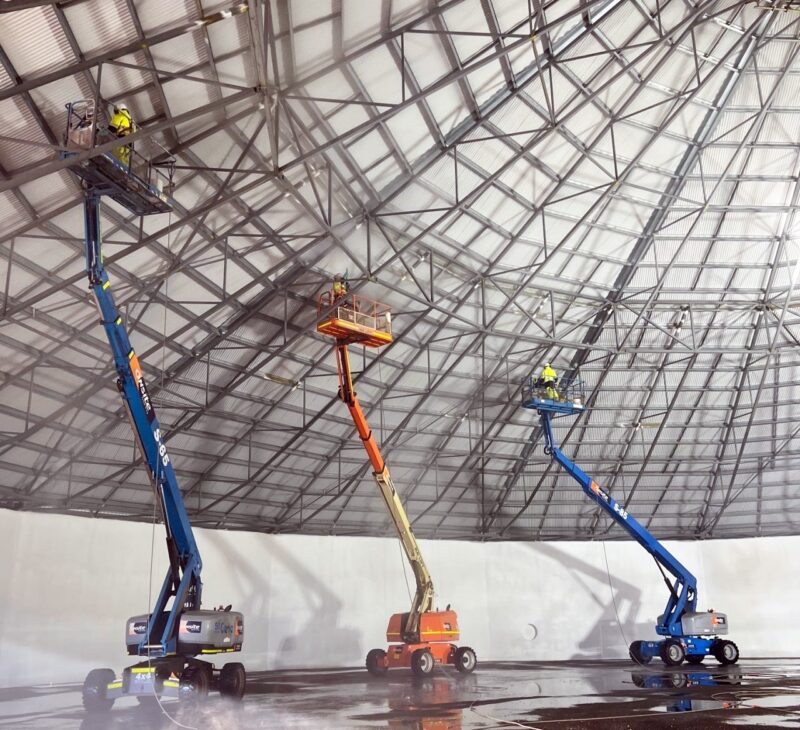
Man operating a scissor lift on a job site

B2B equipment hire (also known as plant hire) is an important part of many construction, mining, industrial, and infrastructure projects. Having the right gear can be the difference between a job that runs smoothly and one that’s slowed down by delays, breakdowns, or budget blowouts.

That’s why it pays to ask the right questions before you hire, so you can choose the equipment and support that best fits your project.

In this blog, we answer the top 10 FAQs about equipment for hire.

1. What Types of Machinery Can I Hire?

Onsite Rentals offers a wide range of hire-ready machinery and construction equipment.

This includes access equipment such as knuckle booms and scissor lifts; site accommodation like portable toilets, offices and caravans; material-handling gear; lighting towers; diesel generators; single-drum rollers; air compressors and pumps; and earthmoving equipment, including compact loaders and excavators.

You can also hire secure site storage containers, traffic-management equipment and welders.

2. What’s Included in Equipment Hire Contracts?

Legally binding contracts cover the full terms and conditions of your rental period. They include payment arrangements (fees, deposits, and late penalties), a detailed description of the plant equipment being hired, and the responsibilities of both parties, such as usage and maintenance guidelines.

They can also cover liability, insurance requirements, and conditions for delivery and return.

3. How Much Does It Cost to Hire Equipment in Australia?

Hire costs can vary widely depending on the type, size, and condition of equipment being rented, how long it’s needed, and if any accessories or additional support is required.

The daily rates for site hire equipment become more affordable the longer you rent it for.

4. Is Renting Equipment More Cost-Effective Than Owning Equipment?

Renting heavy machinery is often more cost-effective than owning if you need equipment for short-term or occasional use. It also means you avoid large upfront costs, maintenance and servicing, storage arrangements, and insurance fees.

5. How Long Can I Hire Machinery For?

Most companies offer hourly, daily, weekly, and monthly hire rates. The specific time period depends on the company’s policies and the machinery’s availability, with discounts often on offer for long-term arrangements. Minimum hire at Onsite Rentals is a full day, and extensions can be made through the branch from which the equipment was hired.

6. Do You Deliver Equipment to Remote Locations?

Yes, we can deliver machinery to any job site across Australia.

7. How Quickly Can Equipment Be Delivered to My Site?

Generally, it’s 24 hours, but we can do deliveries to a customer within 3 hours of them placing an order. It just depends on what and where the equipment is needed.

8. What’s the Difference Between Wet Hire and Dry Hire?

Dry hire involves renting just the equipment, requiring you to provide your own operator. Wet hire, on the other hand, includes both the equipment and a professional, trained operator.

Wet hire is generally more expensive due to the inclusion of labour, but it offers a complete solution for projects that need extra-skilled operators, whereas dry hire is a cheaper, more flexible option for clients with their own qualified staff. 

9. Do I Need Insurance When Hiring Equipment?

Yes, insurance is necessary to protect you while using another company’s equipment. It typically covers damage or loss of the rented equipment, as well as liability for any accidents or injuries that occur while using it.

10. What Happens if the Equipment Fails?

If the equipment you’ve hired breaks down, you should first ensure safety by turning it off and documenting the incident. Then it’s important to notify the company you hired the equipment from, as they can usually send a maintenance team or approve your own service team to inspect and repair the fault.

Get the Right Equipment for Hire With Onsite Rentals

When you choose the machinery hire specialists at Onsite Rentals, you get high-quality equipment, flexible hire periods, fast delivery, and safety support—all in one place!

With more than 35 branches across Australia, Onsite Rentals are trusted rental equipment suppliers for businesses. Whatever your project requires, we’re here to keep things running smoothly from beginning to end.

Our machinery is regularly serviced and well-maintained, ensuring you get maximum performance and excellent value for money.

Need site equipment for rent? Talk to the team at Onsite Rentals to find out more about our heavy machinery rental solutions.

Loading posts…

Don’t Be Caught Short In Peak Season – Hire Construction Equipment Early

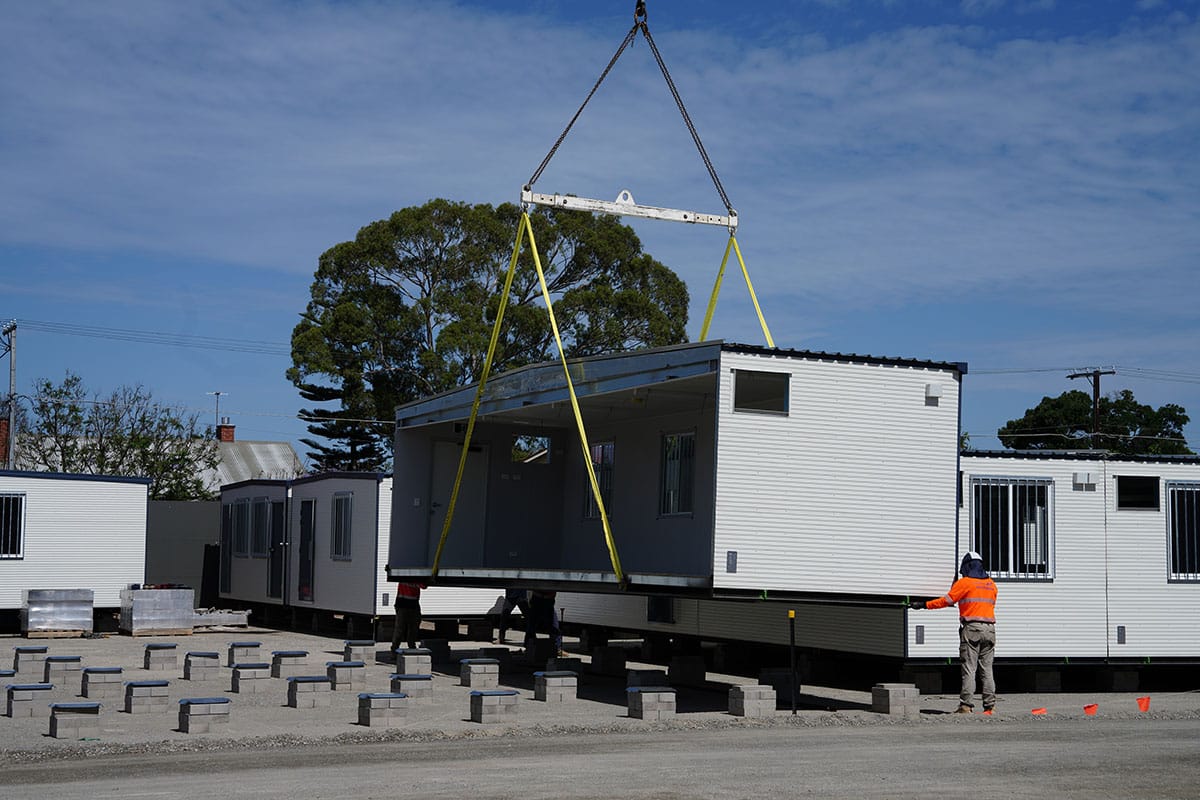
A prefabricated Onsite building module being lifted into place by a crane at work site, with workers guiding the unit onto concrete footings.

In Australia, many companies in the construction industry operate in cycles. The peak season can bring with it excellent opportunities for business growth, but you also need to match demand with the right heavy-duty machinery… And that machinery needs to be available in the first place! Pre-planning and early equipment hire can make a huge difference.

In this expert guide, we provide insights into how to prepare for the busy season through early involvement with your hire partner, helping you stay on schedule, on budget and meet your business targets without the capital burden of ownership.

The Partnership Advantage: Early Engagement for Peak Season Success

Timing is of the essence. Engaging Onsite Rentals early in your project planning provides you with a reliable, high-performing operational team that ensures you have access to the right equipment at the right time, maintained to the highest standards.

When you appoint us during your project planning phase (ideally four to eight weeks before peak season begins), we can:

  • Reserve specific equipment for your timeline, guaranteeing availability during high-demand periods
  • Provide site assessments and equipment recommendations tailored to your project scope
  • Design custom solutions for complex requirements
  • Leverage our innovative ‘Branch in a Box‘ solution for large-scale projects requiring dedicated on-site support
  • Offer transparent pricing and flexible construction equipment rental periods (daily, weekly, monthly) that adapt to your schedule

Early involvement with our team means you’re never left competing for equipment during critical project phases, and you gain access to 35+ years of industry expertise across our 35+ Onsite branches nationwide.

An Onsite employee in hivis leaning into a branded trailer with a parked white ute carrying a full load in the background

The Power of an Equipment Hire Partner

Partnering with Onsite Rentals during your busy season means we keep a complete handle on all the equipment you’ve hired. We monitor equipment and conduct regular due diligence, fix any equipment issues (outside of consumables) and provide immediate replacement parts if ever necessary. The result is that your operations remain efficient and stay on track, which is exactly what you want when things are so flat out. 

Advantages of a Construction Equipment Checklist

An equipment checklist is a cornerstone of operational excellence for any Australian construction business. Heavy machinery and specialised tools form the backbone of daily operations, and any breakdown can cause operational delays, budget overruns, and safety hazards to workers.

Using a detailed checklist can help meet Australian health and safety compliance laws, as well as:

  • Regulatory compliance across all machinery
  • Operational efficiency needs during peak demand
  • Asset availability without storage or maintenance costs

But many construction businesses overlook one crucial element: partnering with a specialist equipment hire company during your planning phase eliminates the operational burden of maintaining this checklist entirely. When you work with Onsite Rentals, we deliver meticulously maintained, inspection-ready equipment directly to your site, removing the responsibility of pre-season servicing, parts stocking, and maintenance schedules from your shoulders.

Two Onsite staff in hi-vis jackets standing next to some equipment hire and talking to each other in an industrial setting

Why Onsite Prioritises a Construction Site Equipment Checklist

We strongly believe in maintaining fastidious checklists across all construction equipment rental. This includes: 

  1. Visual equipment inspections: Machinery checks for cracks, leaks, loose bolts, wear and tear. We document even the slightest signs of a problem.
  2. Fluid level checks: Monitoring of coolants, hydraulics, oils, and brake fluid. With these checked, we ensure you avoid running out of essential fluids.
  3. Tyres and tracks: Inspecting tyre pressures, tread depth, and alignments will prevent issues with fleet movement. 
  4. Safety systems: Conducting site-wide checks for alarms, emergency stops, and fire extinguishers is crucial. You need to be able to sound the alert in the event of an emergency; otherwise, there can be significant problems with projects.
  5. Operational functions: We run machinery to verify that each piece of equipment operates properly. 

Documentation: Recording all inspection data points to confirm QC (quality control) standards is vital. With all your inspections logged for future reference, you can be confident in developing a rigorous daily plan of action.

A man operates a large rented excavator, scooping red soil

Discover How Onsite Prepares You for Peak Season Readiness

Peak construction season is a test of your company’s resilience and organisational capacity. It should not be a test of your equipment management capabilities. Make the most of your next opportunity by partnering with Onsite Rentals to eliminate the burden of equipment ownership, maintenance, and availability concerns.

Why Construction Leaders Choose Onsite Rentals for Peak Season:

  • 35+ branches Australia-wide, ensuring local support and rapid delivery.
  • A comprehensive equipment range from excavators to site accommodation.
  • Flexible contracts that scale with your project demands.
  • No capital expenditure, preserving cash flow for strategic business needs.
  • 24/7 technical support, keeping your projects moving without delays.
  • Meticulously maintained fleet, reducing breakdown risks.
  • Early planning partnerships, guaranteeing equipment availability during high-demand periods.

At Onsite Rentals, we deliver across Australia, no matter your location. Engage with us during your planning phase to experience the competitive advantage of having an equipment partner who thinks strategically about your peak season success, not just transactionally about equipment rental.

When Is the Peak Construction Period in Australia? 

Peak construction in Australia runs from spring through to the end of summer, with a brief interlude over the Christmas and New Year period. 

What Equipment Do I Need for Construction Peak Season?

Some of the most popular construction equipment in demand during the peak season includes:

Onsite Rentals provides all these and much more. Call us on 13 40 40.

How Early Should I Hire Construction Equipment? 

In anticipation of the peak construction season, we recommend placing your hire purchase order at least five weeks in advance, ideally four. 

What Happens If My Company Doesn’t Use a Construction Equipment Checklist?

If you don’t use a construction equipment checklist, make sure you’re partnering with equipment hire specialists like Onsite Rentals, who will assume all such responsibility and planning. Without either, you risk: 

  • Availability issues: Equipment shortages during peak demand leave projects understaffed
  • Higher costs: Last-minute rentals command premium pricing
  • Maintenance delays: Owned equipment breakdowns during critical project phases
  • Capital constraints: Cash tied up in depreciating assets instead of growth opportunities
  • Safety risks: Poorly maintained equipment leading to worker injuries and legal complications
  • Reputation damage: Project delays and budget overruns harm client relationships
Loading posts…

The Ideal Equipment Hire Process Explained

A large Onsite energy pack connected to a generator running on a building site

A leader in the Australian equipment hire market, the Onsite Rental Group covers industrial, mining and construction equipment hire, supporting businesses with innovative and state-of-the-art technology. Hiring with us can save you time, money, and boost on-site productivity. But how does our hiring process work? Here, we explain our methods and provide an overview of what you can expect from a contract with us.

Onsite Rental Group’s Process of Hiring Equipment

Below are the steps you need to follow to get yourself set up with innovative, time-saving machinery that’ll get the job done.

Initial Inquiry and Quote Request

You can reach out to us about equipment hire in Australia and explain your project needs. As each business is different, we’ll listen and then explain what you need and how much it’ll cost. 

Keep in mind our contracts are flexible for both short- and long-term hiring options. You can scale or downscale a project as needed. This is why we offer a tailored quote, with no obligations to commit.

Heavy-Duty Equipment Selection

Choose from an industry-leading range of smart construction machinery, suitable for a wide range of projects. Our equipment includes:

  • Access equipment
  • Site accommodation
  • Lighting towers
  • Traffic management
  • Earthmoving and excavation
  • Compressors
  • Pump solutions
  • Welders

It’s a full suite of innovative on-site solutions, all meeting Australian industry standards, and all designed to ensure you get the job done.

Digital Platforms and Equipment Tracking

Complementing our machinery is ONTRAK, a superior equipment hire management solution. A real-time asset tracker, ONTRAK allows you to monitor all on-site activity. Features include historical mapping, run-time, fuel levels, and geo-fencing. You get full visibility of your fleet.

Delivery and On-site Equipment Installation

Once your order is complete and you’re good to go, our expert team will deliver your equipment. This service is straight to your location, no matter where you are in Australia. We’ll reach even the most remote projects.

If you’ve hired accommodation, our team provides a complete on-site installation and answers any support questions. We can install a whole infrastructure for you if required, or provide equipment such as bulldozers and knuckle booms to help you meet your project quotas.

Asset Servicing and Maintenance

As part of your deal, you’ll have access to our renowned 24/7 customer support team. Our service technicians are always on hand to support you. If you have a tech problem or need a component replaced, they’ll be at your site as soon as possible to keep your project moving.

Choose a Partnership

Our company ethos isn’t just about leasing equipment; we have a partnership-driven model. Together we grow is our motto as we want to collaborate with our customers and suppliers. With our strategic branch network, we can offer local and national expertise for a consistent, efficient service.

Onsite employees setting up hired solar panels

Choose Onsite Rental Group for Equipment Hire in Australia

With over 30 years of experience, we offer our customers a high-quality service designed to save you time and money. Our expertise provides a:

  1. Well-defined, step-by-step, customer-centric process for your ease of hire
  2. Wide-ranging fleet of specialist equipment
  3. Suite of powerful SaaS tools
  4. Seamless logistical solution regardless of your location
  5. 24/7 maintenance support team
  6. Value-driven partnership underpinned by innovation and quality

It’s easy to get started with construction rental. Just call us today, and for short and long-term equipment hire solutions. Contact us now: 13 40 40.

What are the General Steps of an Equipment Hire Process?

At Onsite Rentals, our process runs as follows:

  1. Request a quote from our team
  2. Choose your machinery
  3. Determine a delivery time and date
  4. Await the equipment’s arrival

Our team of experts will deliver direct to your location and help install your machinery and/or infrastructure.

What Does it Mean to Hire Equipment?

Leasing and hiring machinery involves using a contract to access an asset for a specified time period. At Onsite, we offer both short-term and long-term contracts with flexible terms and conditions tailored to meet your exact project needs.

How Much Does it Cost to Hire Machinery?

It depends on your specific business needs. Request a quote from us to understand how much budget you’ll need for hiring costs.

How Quickly Can Equipment be Delivered?

That depends on your specific needs and location, but the Onsite goal is always to provide your machinery as soon as possible. Deployment to your location can be confirmed within 24 hours, depending on your situation.

Loading posts…

What is Mine Site Accommodation Like?

Quality Mining Accommodation for Hire

Mining operations in remote locations face a critical challenge: how do you attract and retain skilled workers when the nearest town is hundreds of miles away? The answer lies in modern site accommodation hire that transforms isolated worksites (often located in harsh outback environments) into comfortable, productive communities. 

But what exactly should you expect from professional mining camp accommodation? Whether you’re planning a new operation or upgrading existing facilities, this Onsite Rentals guide explores the quality accommodation on offer.

Types of Site Accommodation Hire 

Whatever the scale of your operation, Onsite Rentals provides purpose-built portable building solutions, including:

  • Portable office hire 
  • Double-stacked offices 
  • On-site caravans 
  • On-site portable toilets 
  • Specialist function buildings 
  • Amenities blocks 

Onsite Rentals builds bespoke solutions for your business. Additional features, including external storage tanks, fuel stations, and even cyclone-proofing, are all possible. From design, installation and removal, we manage every step of the process to ensure a seamless experience for your business. So, what else can you expect? 

Built for Comfort in Harsh Conditions

With many Australian mining organisations located in environmentally challenging locations, site accommodation is now built to offer comfort and durability. 

Workers can enjoy climate-controlled rooms with air conditioning and heating, complemented by insulation and sturdy construction materials. The rooms also feature ensuite bathrooms, breakout areas with smart TVs and other entertainment options, and high-speed internet access.

Encouraging Community Facilities

Mining site accommodations needs to be practical, well-structured and seamlessly integrated into site operations. Beyond providing a place to sleep, these should support workforce efficiency, safety and compliance. Our solutions are designed to meet the operational demands of a working mine site, and include:

  • Site offices and meeting rooms 
  • Training and induction rooms
  • Lunch rooms
  • First aid facilities
  • Ablution blocks

Seamless Logistics and Smart Designs

Site accommodation for mining is carefully integrated as part of the overall site plan. Modular designs are strategically configured based on thorough site assessments to align with the operational layout, safety zones and overall site requirements.

With on-site facility management and expert installation of the units, this turnkey approach offers minimal disruption and maximum efficiency for your operation.

Ensuring Australian Health and Safety Standards

Your business must meet strict health and safety standards for your workers. The WHS regulations for Australia cover fire safety systems, emergency response protocols, sufficient healthcare, and basic hygiene standards.

With these units, health and safety are at the forefront of every mining camp design.

Customisable and Scalable

Mining camp accommodation is customisable to your mining needs. You can have the units:

  • Custom built for your next project
  • Scaled up or down in real-time to suit daily operations
  • Branded to match your organisation’s culture

This is ideal for modern mining needs, as the accommodation fits around your ever-changing projects.  

Benefits of Onsite Mining Site Accommodation

Your people are your most valuable resource, and with these units you can:

  • Maintain high standards of productivity
  • Maintain high morale 
  • Meet Australian health and safety laws
  • Impress workers and boost staff retention
  • Increase your organisation’s reputation

Mining camp accommodation is about much more than letting staff enjoy the latest blockbuster movies during their downtime. It is about delivering, areas that support productivity, safety and wellbeing of your workforce.

With these units installed, you can ensure high levels of worker satisfaction and long-term ROI for your commitment to worker satisfaction. 

Install Quality Mining Site Accommodation Today

With over 30 years of experience, Onsite Rentals provides a team of installation experts ready and waiting to bring site accommodation to your location. We’ll install rapidly and also construct your essential amenities, facilities, and any temporary offices. Contact us now for a quote: 13 40 40.

What is Mining Site Accommodation? 

This encompasses all facilities and infrastructure needed to support a productive, safe and well-functioning workforce on-site. There are the operations spaces like site offices, dining and first aid rooms, and also living quarters.

What Site Accommodation Hire Options Are Available? 

Onsite Rentals Group provides a wide variety of site hire options, including purpose-built buildings, offices, portable toilet facilities, amenities, canvans and more. All solutions can be designed and built bespoke to your needs and challenges. 

Is Onsite Rentals Accommodation Hire Compliant With Necessary Australian Standards? 

Yes. All of Onsite Rental Group’s accommodation solutions are designed, built, and maintained to meet the relevant Australian Standards and industry regulations. Our modular units are engineered for safety, durability, and compliance, giving you confidence that your workforce is supported by facilities that meet national requirements.

Loading posts…

Discover Smarter Equipment Hire With Onsite Rentals

24/7 Equipment Hire Solutions

In high-stakes industries like construction, industrial, and mining, every delay will cost you vital project time. You can prevent this with a specialist equipment hire partner that keeps you moving—no excuses, no downtime. 

That’s what Onsite Rentals delivers—a trusted service across Australia, providing fast and reliable solutions for every project, regardless of scale. Discover how our expert support and top-tier equipment help you stay ahead of schedule and under budget.

Benefits of Onsite Rentals’ Flexible Terms

Onsite Rentals consistently strives to exceed the standards of our competitors. More traditional services struggle with:

  1. Limited inventory that forces customers to use multiple providers
  2. Outdated booking systems
  3. Poor maintenance standards
  4. Equipment failures with no 24/7 support
  5. Rigid hiring terms

At Onsite, we offer a total rental management solution to make running your business much easier. Our services are tailored to suit your business needs and include:

  • Reduce costs by hiring equipment rather than outright purchasing
  • Flexible hiring to suit project needs
  • Scale up or down as and when you need
  • Industry support Australia-wide
  • Maximise operational efficiency
  • Utilise the latest in innovative technology
  • Full on-site technical support 24/7
  • An expert team with a professional, hardworking, and friendly attitude

The Onsite motto is “together, we grow”. Our working partnership with businesses enables us to establish long-term relationships across branches, allowing you to benefit from our specialist team and 24/7 availability.

Covering All of Your Equipment Hire Needs

We’re much more than an equipment hiring specialist. We’re also a national partner with decades of experience across some of Australia’s most demanding sectors.

Expertise, Experience, and Trust

From Tier 1 construction sites to remote mining operations, we understand what it takes to keep projects running smoothly. With decades of experience, we’ve helped thousands of businesses hire to suit their specific projects, overcoming even the most challenging conditions.

Hiring with us ensures you’re backed by a team of experts, including an industry specialist with operations dating back to 1990. Like to know more? Here’s our guide on how to choose the best equipment hire company and why Onsite Rentals exceeded all expectations.

Vast Range of Equipment Rental Solutions

Our service is a complete suite of specialty solutions, with 35 branches across Australia ready to deliver:

  • Access equipment
  • Site accommodation
  • Material handling
  • Lighting towers
  • Power generators
  • Compaction and rollers
  • Compressors
  • Pump solutions
  • Containers and site storage
  • Traffic management
  • Welders
  • Earthmovers and excavators

This equipment caters to the full range of construction, industrial, and mining needs. However, if you require a specialist solution, we can tailor our machinery to meet your project goals.

Industry-Leading Fleet, Ready When You Are

There’s a fleet of advanced heavy-duty machinery at your fingertips, ready for instant rental. Our hiring model offers:

  • Availability
  • Scale
  • Modern machinery
  • 24/7 servicing support

Our fleet of machinery is one of the most modern available to Australian businesses, with equipment made available as needed. From requesting a quote to delivering the machinery to your location, our end-to-end service is fast, efficient, and scalable to meet your needs.

Safety-First Policy

All of our machinery is compliant with Australian health and safety standards. Whatever model you need, it’s guaranteed to provide your workers with a durable, safe, and secure performance that matches even the most challenging working conditions. 

This provides your business with total peace of mind, knowing that your health and safety standards are met and workers have access to the best available machinery.

Exceeding Industry Certifications

At Onsite, we have third-party certifications across the leading industry expectations. For construction equipment rental, mining, and industrial purposes, you’re guaranteed:

  • Quality Management ISO 9001
  • Environmental Management ISO 14001
  • Occupational Health and Safety ISO 45001

Smarter Systems Deliver Better Decisions

Our all-in-one ONTRAK SaaS suite is available to all of your hired assets in one easy-to-use piece of software. Using the latest in GPS technology, you can pinpoint all your hired equipment and its location on-site.

With data analytics, you can track real-time movements, access historical asset management data, and make informed decisions for ever-improving management and productivity.

National Footprint, Local Support

With 35 branches across Australia, we offer heavy machinery rental with delivery—no matter your location. Each branch is staffed by experienced professionals, all who know the lay of the land and how to support you whether you’re in Adelaide, Brisbane, Canberra, Perth, or Sydney.

Find Your Ideal Equipment Hire Solutions

At Onsite Rentals, we stock a huge range of quality equipment from renowned manufacturers. Get the job done faster and to higher standards with our fantastic machinery. Contact us now for a quote: 13 40 40.

Loading posts…

How to Choose the Right Toilet Hire for Construction Sites

Onsite Rentals toilet hire for construction site facilities

Construction site managers face temporary operation shutdown if toilet facilities fail to meet Australian workplace health and safety standards. With PCBUs legally required to provide functional, clean, safe and accessible toilets, getting your sanitary solutions wrong can be a costly and time-consuming mistake. 

That’s why we’re here. As Australia’s leading site accommodation specialists, Onsite Rentals has advised countless construction projects on their portable toilet hire decisions to ensure PCBU compliance, safeguard workers and their rights, and help keep the site operating efficiently.

This comprehensive guide delivers the insider knowledge that you, as a construction professional, need to know. We explore:

  • Critical portable toilet features that ensure regulatory compliance and worker satisfaction.
  • Proven toilet solutions matched to your construction site conditions and workforce needs.

So, let’s get started and help you figure out how to find the best portaloos for your construction site.

Portable Toilet Hire for Construction Site Regulations 

Whilst regulations can differ slightly depending on your location, we share information from SafeWork NSW regarding workplace toilets on construction sites. A PCBU must provide:

  • Clean, safe, accessible hire toilets that are in good working order.
  • Regular servicing and cleaning. 
  • Regular toilet inspections to ensure they are functional, water levels are adequate, sewage waste is removed and bins are emptied. 
  • A functional flapper valve to prevent the user from being exposed to chemical or waste splashback from below the seat level. 

Ideally, the toilet should be plumbed into a sewage system and connected to a running water supply. When this is not possible, adequate handwashing facilities must be provided along with an independent water or chemical flushing system.

Hire toilet-to-user number ratio 

If fewer than 10 workers are present on the construction site, one unisex mobile toilet will suffice. Once figures exceed this threshold of 10, the ratio is one closet pan to every 15 male workers and every 10 female workers. 

There is a raft of additional, detailed requirements regarding potential workplace toilet hazards, SafeWork inspections, and more, so we strongly recommend that you read the link provided earlier. 

Additional Factors to Consider About Toilet Hire for Construction Sites 

When researching toilet rental providers, consider the following: 

  • Cost Transparency – Onsite Rentals submits fully detailed, itemised quotes so there is no room for confusion or misunderstanding. 
  • Site Service and Maintenance – Our team provides servicing, cleaning, and maintenance as part of our rental package. Contact us to find out more. 
  • Delivery and Pick-Up – We can provide a delivery and collection service if required. 
  • Customer Service – Onsite Rentals provides ongoing free customer service for the duration of your hire. 
  • Availability of Stock – toilet hire is always in strong demand. Our team can cater for large numbers, often at very short notice. 
  • Safe Location – Workplace safety is paramount in construction sites. We can work with your PCBU to determine the best location for any of our rented toilets. 

Important Portaloo Features for Construction Sites 

  • Quick & Easy Relocation – Toilets might need to be moved as your site evolves or expands. All Onsite Rental portaloos are easy to transport and re-install. Those with plumbed-in sewage can be up and running in minutes with a professional plumber involved. 
  • Ventilation and Lighting – These are important from an OH&S perspective. All Onsite toilets provide good ventilation and good lighting. 
  • Adequate Water and Sewage Storage – When plumbing is not possible, portaloos must have sufficient water storage and sewage capacity. 

Questions to Ask Yourself About a Portable Toilet for Construction Sites 

Let’s recap on some of the key information in this guide. To find the best sanitary solution for your construction site, answer the following questions: 

  • How many workers do I need to cater for? 
  • Where can the toilets be safely located? 
  • How often will the toilets require servicing or maintenance? 
  • Have I considered all WorkSafe requirements to ensure compliance? 
  • What is the Hire Duration?

Alternatively, why not call the Onsite Rentals experts? We have all the knowledge and information at hand, and can provide you with specific advice and tailored solutions. Call us today on 13 40 40.

FAQs 

How Much Do Portable Toilets Cost to Hire? 

The cost of mobile toilet hire depends on many factors. Please contact the Onsite Rentals team on 13 40 40 to get an affordable quote for your construction project. 

Do I Need Separate Male and Female Toilet Facilities? 

If there are fewer than 10 people who need access to the toilet and they are of male and female gender, you only need to provide one unit. However, for 10 or more workers, you need to work on a ratio of one unit for every 15 males and one unit for every 10 women. 

Is Onsite Toilet Rental Compliant with Australian WHS Standards? 

Yes, all of our equipment is compliant with Australian WHS standards.

Do I Need Wheelchair Accessible Toilets if I Have Disabled Workers?

Yes, according to WorkSafe NSW, any workers living with a disability should be consulted about their specific toilet use needs and provisions made accordingly.

Where Do I Go For Portable Toilet Rental for Construction Sites?  

Onsite Rentals has been providing Australian construction sites with compliant mobile toilet hire facilities for over 30 years. As B2B specialists, we pride ourselves on delivering comprehensive rental equipment solutions paired with specialist knowledge and advice. Contact our team on 13 40 40 to discuss your needs. 

Processing...
Thank you! Your subscription has been confirmed. You'll hear from us soon.
ErrorHere
preloader